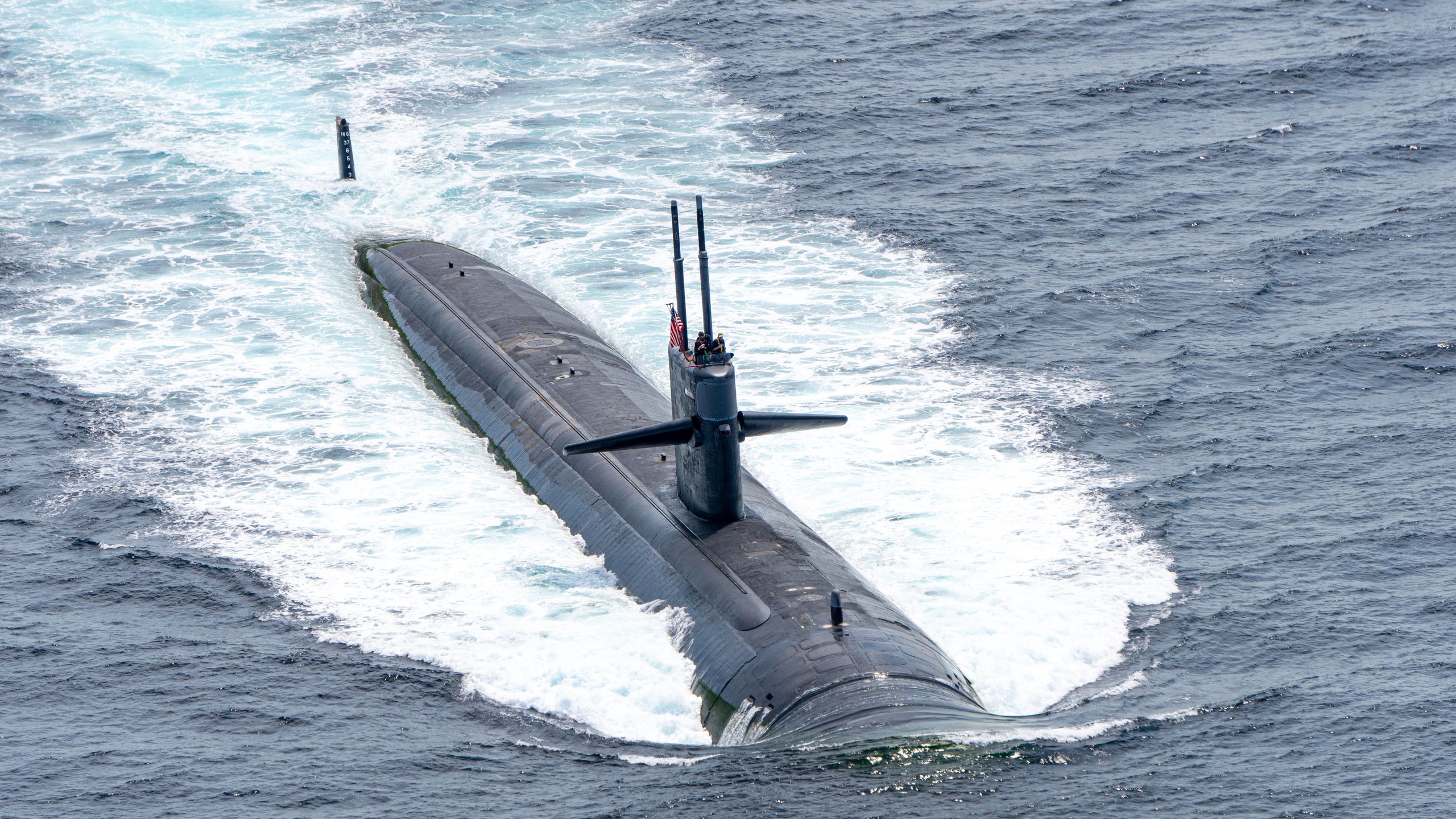
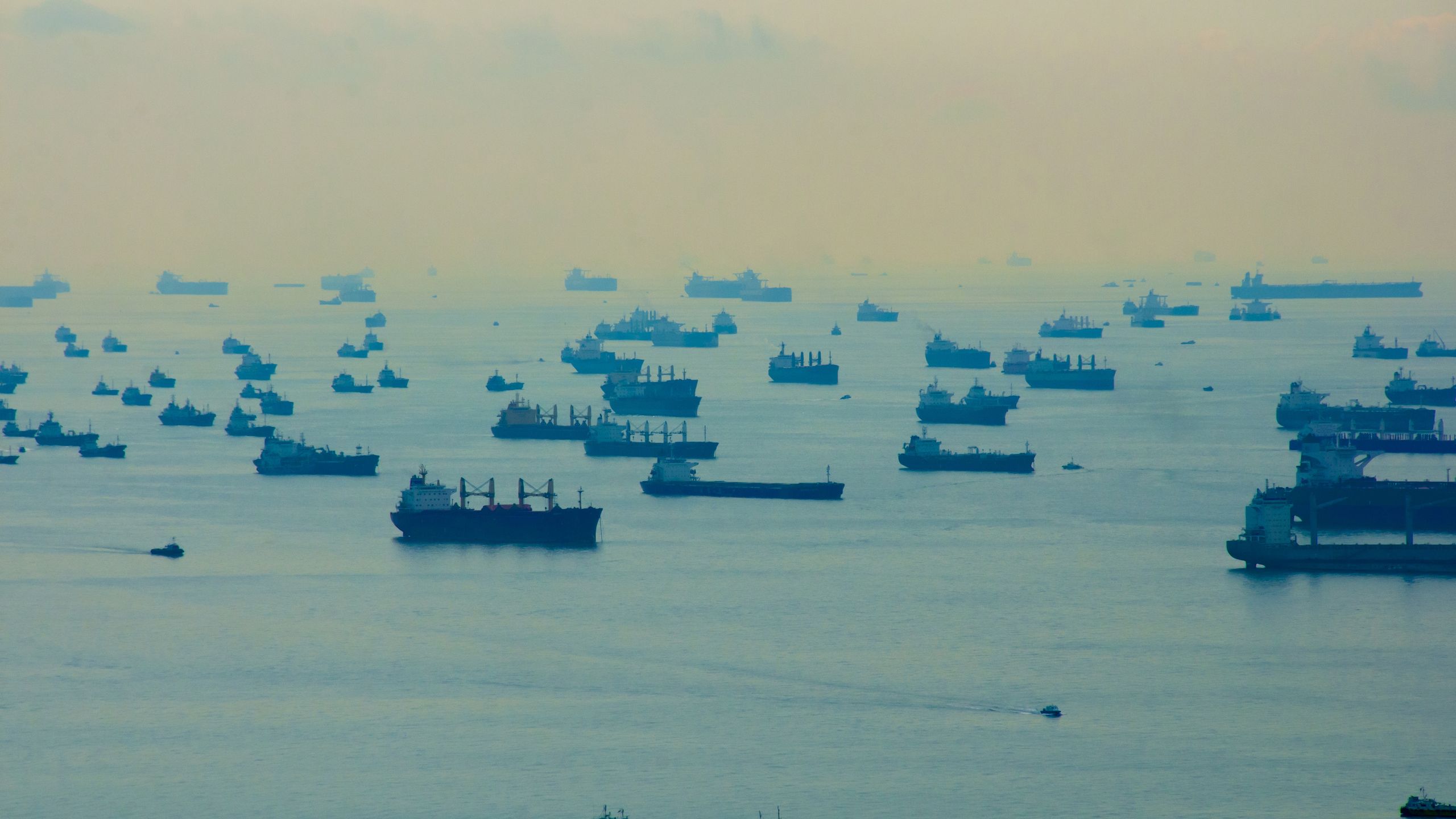
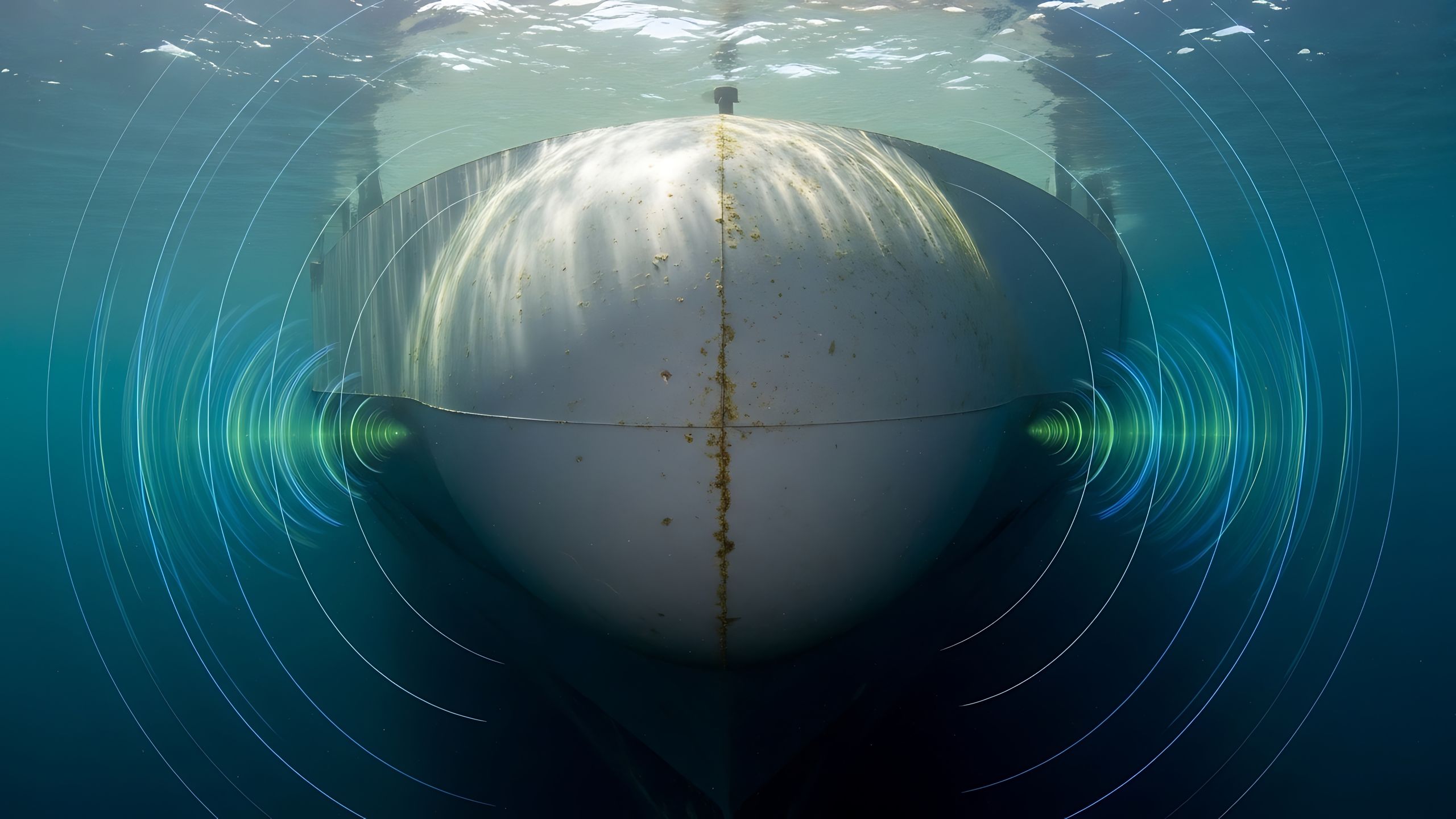
The marine and aquatic environment is increasingly scrutinised, and underwater noise sits near the centre of it. Construction in and around water, vessel movements and ongoing operations all introduce sound that travels far and affects sensitive marine and aquatic life, making underwater acoustics a decisive issue in environmental approvals and ongoing compliance alike. Matrix Acoustics brings the same rigour applied on land to the water — preparing the underwater noise components of Environmental Impact Statements, assessing impacts on marine and aquatic species, and modelling the acoustic footprint of projects from planning through to operation. Impact and vibratory piling, and exploration works generate some of the highest-energy underwater noise of any activity, and Matrix Acoustics measures, models and manages those impacts alongside vessel and boat noise across everything from recreational craft to commercial shipping.
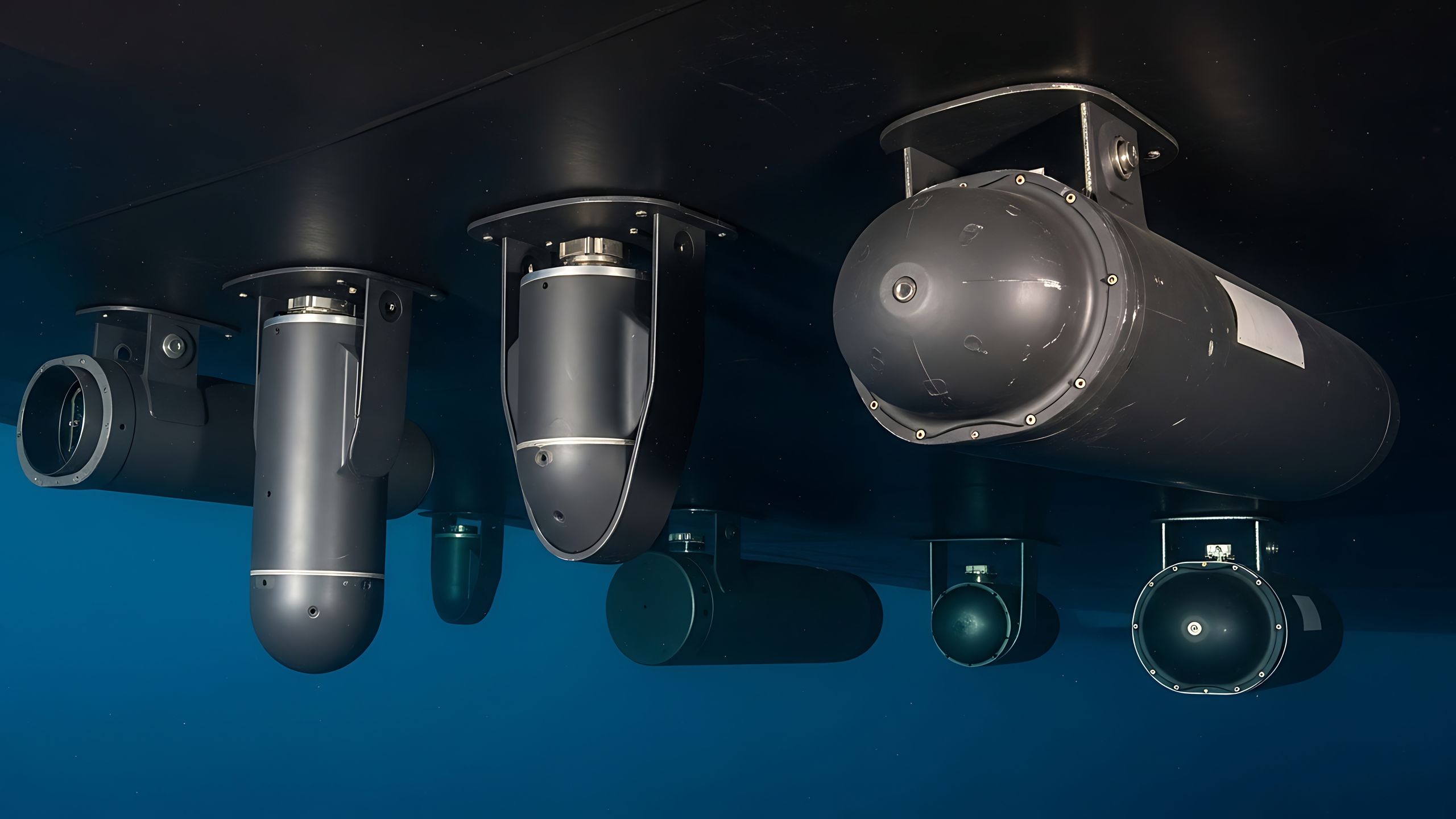
The field is moving quickly, and Matrix Acoustics is positioned at its leading edge. Long-term passive acoustic monitoring listens to the underwater soundscape continuously to build the evidence base regulators increasingly expect, and that capability is extending into automated species detection and vessel classification — applying AI to turn raw acoustic data into clear, actionable insight, with support available to help clients build the same capability into their own operations. As underwater noise regulation tightens, this monitoring and emerging detection capability is designed to help ports, operators and authorities track vessel and shipping noise against thresholds and respond before noise becomes a liability. From impact assessment through to next-generation compliance monitoring, Matrix Acoustics helps projects meet their obligations beneath the surface.