
Rail projects — from light rail networks through to heavy freight and passenger corridors — carry complex noise and vibration challenges across their entire lifecycle. Matrix Acoustic supports rail authorities, contractors and developers with the full spectrum of acoustic services, beginning with baseline noise and vibration measurements and monitoring to establish existing conditions along a corridor or around a proposed site. We prepare detailed planning assessments that quantify operational and construction noise impacts, address ground-borne noise and vibration, and demonstrate compliance with the relevant criteria to support planning approvals. We also provide high-level planning advice at the strategic and early concept stages, helping clients understand acoustic constraints, identify risks and shape feasible options before designs are locked in.
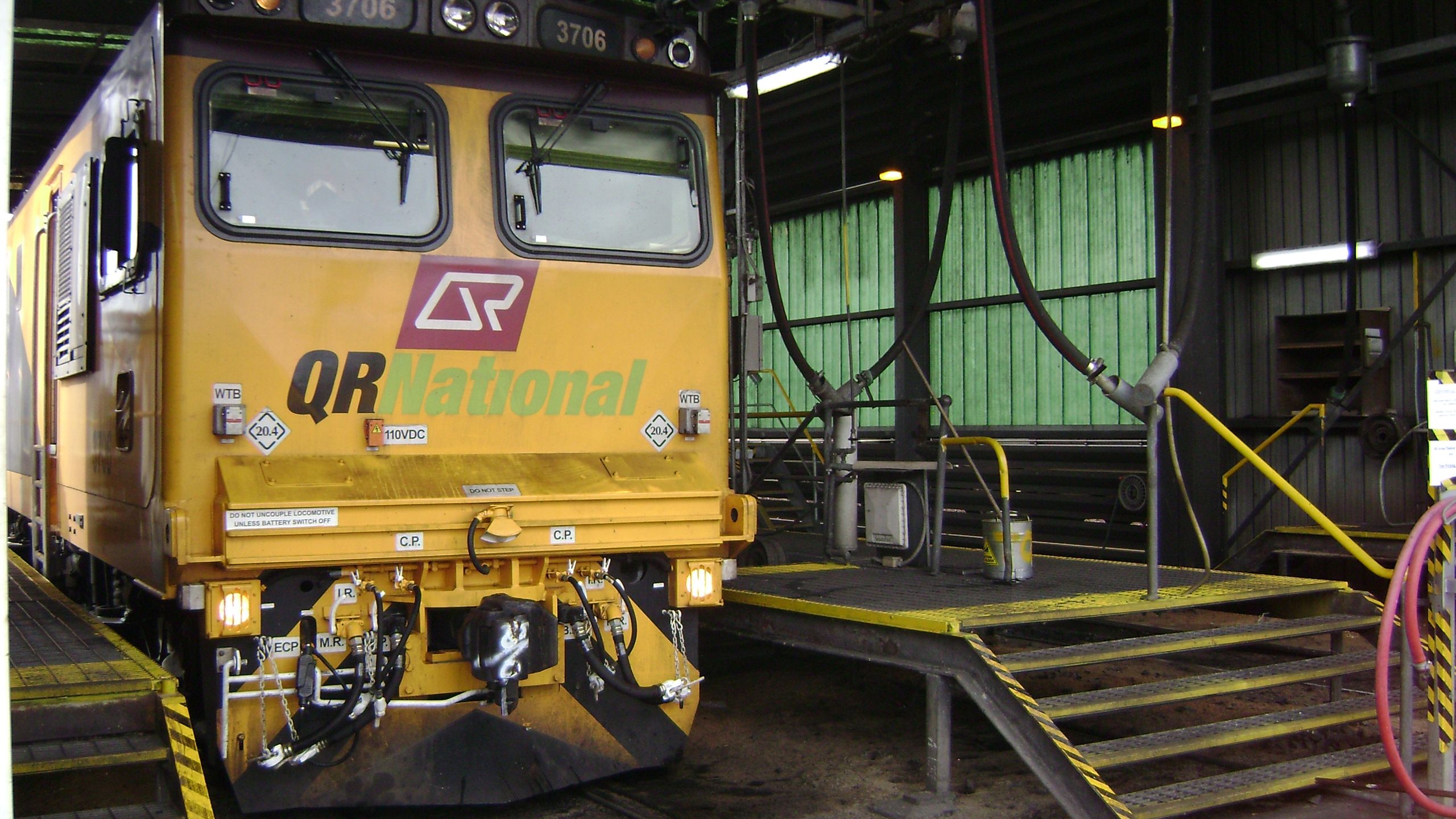
Our experience spans the distinct challenges of both light and heavy rail. Light rail introduces noise and vibration into established urban and residential settings — wheel-rail interaction, curve squeal and ground-borne vibration in close proximity to sensitive receivers — while heavy rail brings the additional demands of higher speeds, freight movements, horn noise and large-scale infrastructure. Alongside corridor work, we advise on the acoustic aspects of rail facility construction, including depots, stabling yards, maintenance facilities and stations, ensuring noise from plant, operations and activities is managed for neighbouring communities and workers alike. From first assessment through to detailed mitigation design, we help deliver rail infrastructure that meets its acoustic obligations.